
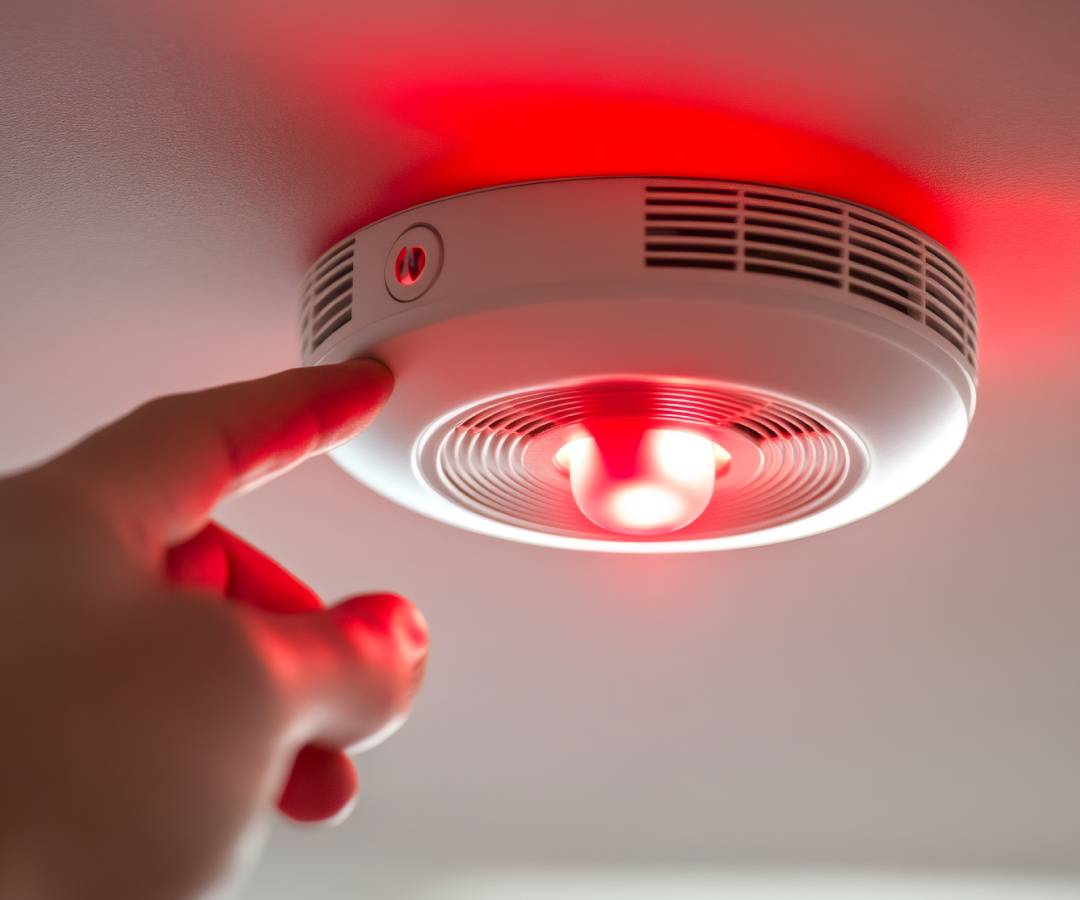
How to Check Fire Equipment Between Inspections
Fire equipment between inspections should be checked by performing monthly visual inspections of sprinkler heads, testing alarm panels for error codes, and verifying pressure gauges are in the green zone. Warning signs are shown by most issues weeks before complete failure; insurance requirements are usually satisfied by documenting these checks too.
Fast Facts:
- 73% of fire system failures occur between scheduled inspections
- Visual checks take 15-20 minutes for most commercial buildings
- Pressure gauges should read between 150-175 PSI for typical sprinkler systems
- Monthly alarm panel tests can prevent 60% of false alarms
- Documentation requirements vary by province but generally need quarterly records
Understanding Your Equipment’s Warning Signs
Problems are communicated by fire protection systems through visual and audible cues long before complete failure occurs. Small cracks are developed by sprinkler heads, error codes are displayed by alarm panels, and pressure drops happen gradually over weeks. These early signals during routine facility walks is where the trick lies in catching them. Fifteen minutes monthly is spent by most Winnipeg property managers we work with doing basic checks. Consistency matters more than perfection; though it’s not complicated.
Monthly Visual Inspections Made Simple
Sprinkler heads should be where you start since they’re the most visible components. Physical damage, paint buildup, or anything hanging too close to the heads should be looked for. At least 18 inches away from each sprinkler is where storage boxes, decorations, and equipment should stay. Rust stains or white mineral deposits are how corrosion on pipes often appears. These issues develop slowly; however, acceleration happens once moisture gets involved. A major leak was caught this way by a facility manager at a downtown Winnipeg warehouse last year, I suppose, saving thousands in water damage.
Pressure Gauge Monitoring
Specific pressure ranges are maintained by fire sprinkler systems to function properly. Between 150-175 PSI is where most commercial systems operate, though your specific requirements might differ. Monthly gauge checks should be done and any significant changes from baseline readings noted. A leak somewhere in the system is usually indicated by pressure that drops consistently over time. Valve problems or blockages can be signaled by sudden pressure spikes. These readings should be documented in a simple log; regular monitoring records are appreciated by insurance adjusters.
Alarm System Self-Testing
Built-in diagnostic features are included in modern fire alarm panels that can be used safely by facility staff. A “test” or “walk test” button is what most panels have that checks basic functions without triggering a full building evacuation. Monthly testing should be run, preferably during off-hours to avoid disrupting operations. Prompt attention should be given to error codes or warning lights, even if the system appears to function normally otherwise. Plus, battery backup issues before power outages expose them are helped to be identified by regular testing.
Documentation and Record Keeping
Protection during inspections and insurance reviews is provided by simple documentation. Dates, pressure readings, any visual observations, and actions taken should be recorded. A basic spreadsheet or logbook works fine; fancy software isn’t necessary. Consistency rather than elaborate tracking systems is what fire marshals and insurance adjusters look for. His monthly logs helped resolve an insurance claim dispute when questions arose about system maintenance, as one restaurant owner in Winnipeg told us. Funny thing, really.
When to Call Professionals
Immediate professional attention is required by some issues regardless of your next scheduled inspection. Visible water leaks, consistently dropping pressure, alarm panels showing persistent error codes, or damaged sprinkler heads shouldn’t wait. Second opinion services are offered by Freedom Fire for situations where you’re unsure about urgency or cost estimates from other contractors. Quick assessments without the typical scheduling delays can often be provided by our digital tools. Anyway, relief is usually where most facility managers find that.
Staying Compliant Between Inspections
Due diligence to regulators and insurance companies is demonstrated by regular self-monitoring. Specific self-inspection frequencies aren’t required by Manitoba fire codes, but outcomes during official reviews can be influenced by documented efforts to maintain equipment properly. Simple and sustainable monitoring should be kept rather than trying to replicate professional inspection procedures. Catching obvious problems early, not replacing certified technicians, is the goal. When questions arise about equipment condition or compliance requirements, straightforward answers and honest assessments can be found by visiting our website.
Mini-FAQ:
Q: What should I look for during visual sprinkler checks? Damaged or painted sprinkler heads, corrosion on pipes, and obstructions within 18 inches of each head should be looked for. Immediate attention is needed by bent or cracked heads. That still surprises people.
Q – Can I test fire alarms myself? Fair point. Basic functions are checked by a “test” button that most modern panels have without triggering a full alarm. However, individual detectors shouldn’t be tested without notifying your monitoring company first.
Q: How often should pressure gauges be checked? Monthly checks work for most facilities. The green zone should be where the needle stays consistently. A leak somewhere in the system is usually indicated if it’s dropping or fluctuating.
Q: What documentation do I need to keep? A simple log with dates, readings, and any issues noted should be kept. Regular maintenance records are appreciated by insurance companies and fire marshals during reviews.