
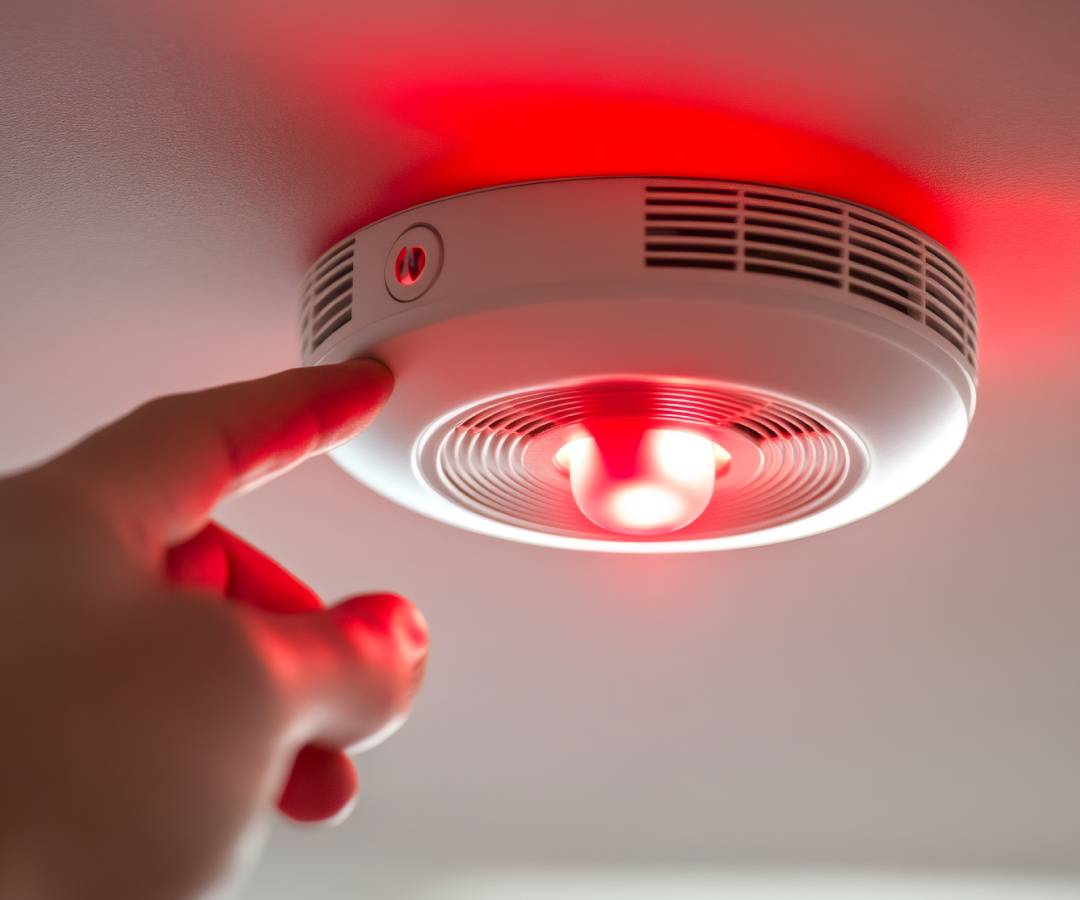
How to Check Fire Equipment Between Inspections
Fire protection equipment doesn't just sit idle between annual inspections. Problems are caught by regular monitoring before they become compliance headaches or safety risks. As it turns out, equipment failures are spotted during routine walkthroughs more often than formal inspections. Simple visual checks, gauge readings, and alarm tests can be performed by facility staff without special certifications. What to look

Why Local Winnipeg Fire Protection Partners React Faster
Minor damage versus total facility loss often gets determined by emergency response time. Local fire protection companies in Winnipeg are typically contacted 40-60% faster than regional contractors during critical situations, as it turns out. Building codes are already familiar to them, emergency services have been worked with before, and your facility's proximity is often underestimated as an advantage. This reality
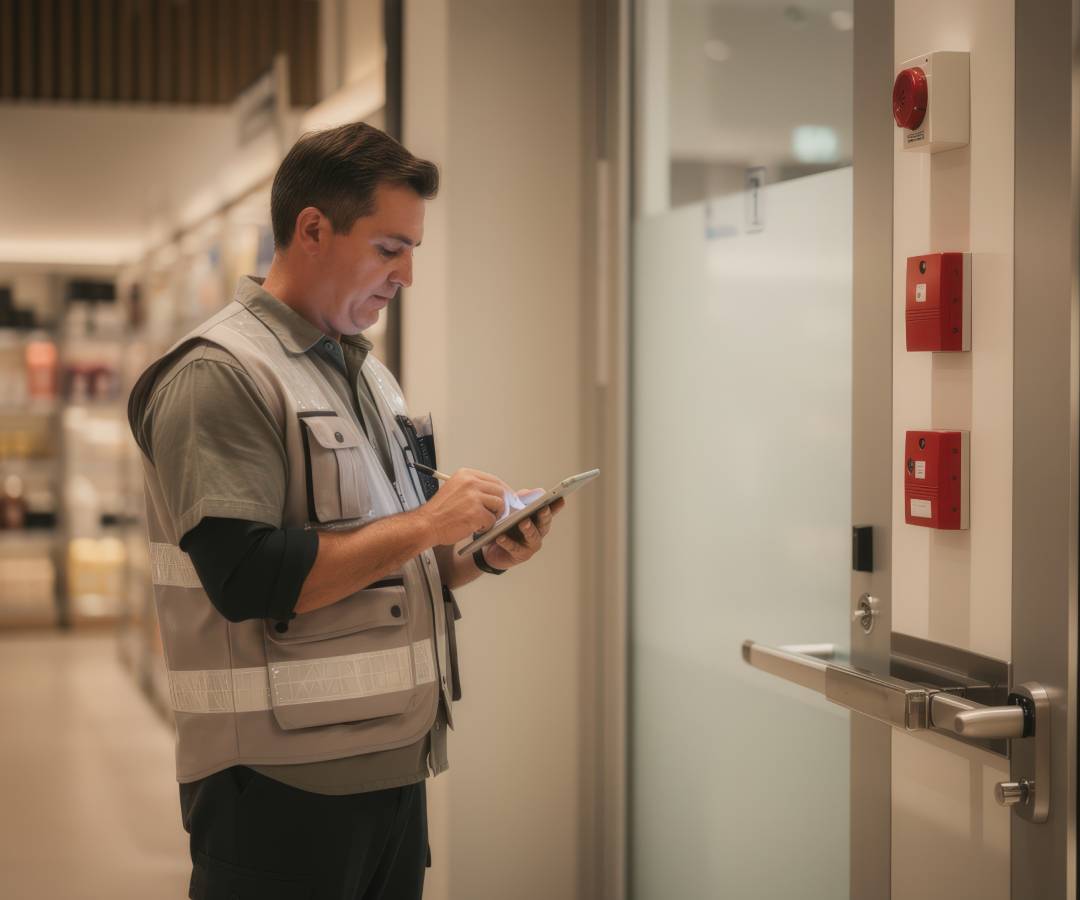
Get a Transparent Second Opinion on Fire Equipment in Winnipeg
Property managers in Winnipeg are often left wondering if they're getting the full story when fire protection equipment gets assessed. As it turns out, significant discrepancies are discovered by many facility operators when a second opinion on their fire safety systems is sought. Quotes that seem inflated are sometimes presented by traditional contractors, or replacements that might not be necessary
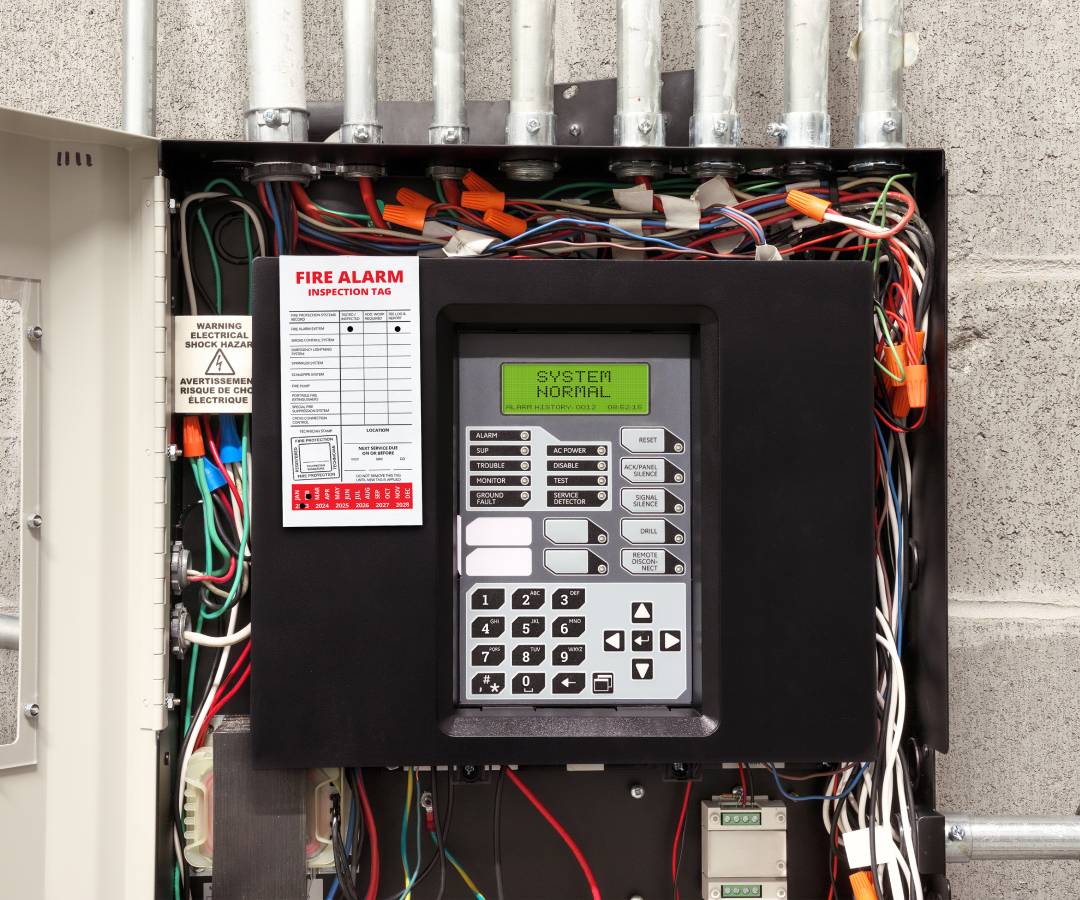
Manitoba Fire Code Violations: 7 Costly Mistakes Property Owners Make
Fire code enforcement in Manitoba has been tightened considerably over the past few years, with repeat violations that put lives at risk being heavily focused on by inspectors. As it turns out, the same handful of oversights that property owners assume are minor details is where most compliance failures stem from. During routine inspections, these mistakes are often discovered, which

Fire Protection System Inspection Schedule Manitoba
Fire protection systems in Manitoba are governed by strict inspection schedules that vary by system type and building use. Annual inspections are required for commercial sprinkler systems, while quarterly testing is needed for fire alarms in most cases. As it turns out, many facility managers discover they're missing critical maintenance windows simply because the requirements were never clearly explained to