
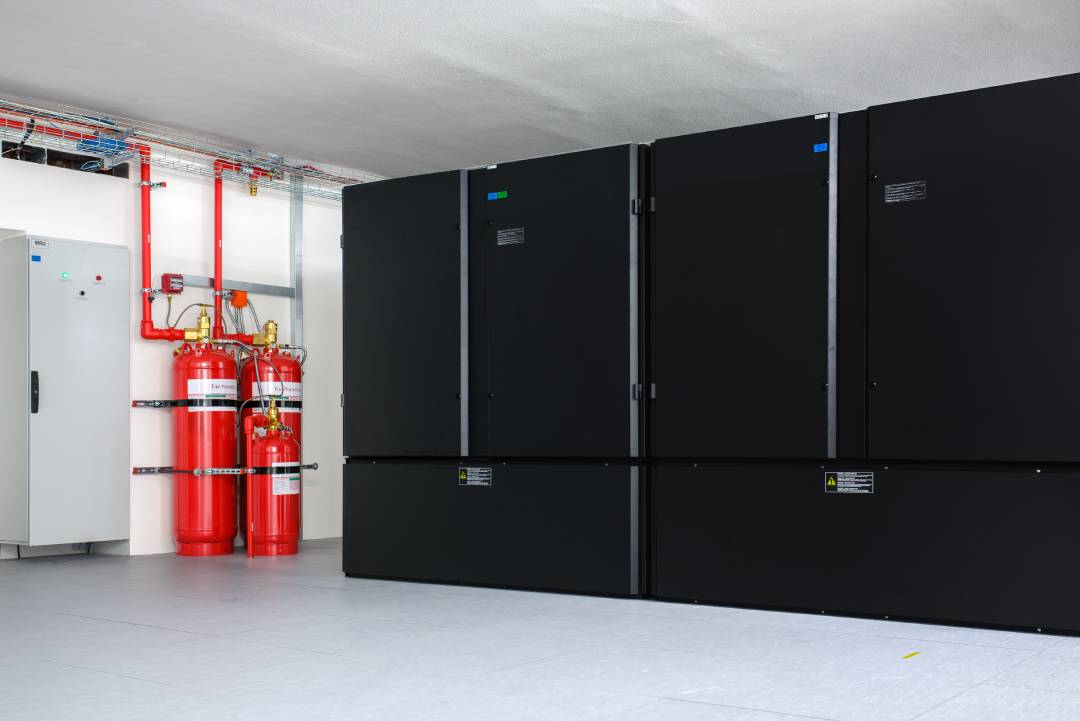
Fire Suppression System Activated? Emergency Checklist Winnipeg
When your fire suppression system activates, all personnel should be evacuated immediately, 911 should be called, and your fire protection company should be contacted. Usually, the system will need to be shut off manually once the area is secured; however, re-entry should never be attempted until the space is cleared by emergency responders. Both people and property are protected by quick response.
Fast Facts:
- Fire suppression systems activate within 10-30 seconds of detecting a threat
- Clean agent systems like FM-200 require 72-hour ventilation periods after discharge
- Immediate notification to Winnipeg Fire Paramedic Service is required by Manitoba fire code
- System recharge typically costs $2,000-$8,000 depending on suppressant type
- False alarm rates in commercial buildings average 3-5 incidents per year
Immediate Safety Response
Personnel safety becomes the only priority the moment your fire suppression system activates. The evacuation alarm should be sounded if it hasn’t triggered automatically, and everyone should be ensured to exit through designated routes. The system shouldn’t be assumed to have activated by mistake. Even experienced facility managers in Winnipeg’s industrial sector have been caught off-guard by legitimate fires that seemed minor initially. Its own hazards are created by the suppressant discharge, particularly in enclosed spaces where oxygen levels can drop rapidly.
Emergency Service Notification
911 should be contacted immediately, even if a false alarm is suspected. Notification for all suppression system activations is required by Winnipeg Fire Paramedic Service under Manitoba’s fire safety regulations. A crew will be dispatched by them to assess the situation and determine when re-entry is safe. Plus, emergency service involvement is mandated by many insurance policies for claims processing. What triggered the system will also be identified by the response team, which becomes crucial for preventing future incidents.
System Shutdown and Isolation
Once emergency responders arrive and the area is secured, you’ll be guided through the shutdown process by them. Manual isolation controls are featured in most modern fire suppression systems, but the location and operation procedures vary by manufacturer. This step should never be attempted without professional guidance. This lesson was learned by a restaurant manager in downtown Winnipeg when he accidentally triggered a secondary discharge while trying to reset the system. The cleanup costs doubled; the restaurant stayed closed an extra week.
Documentation and Assessment
Everything should be documented while details are fresh. Photos of the affected area should be taken, the time of activation should be noted, and any unusual conditions that might have triggered the system should be recorded. This information becomes essential for insurance claims and helps your fire protection company identify potential system issues. Detailed records of all emergency responder interactions and any recommendations they provide should be kept. Over time, I suppose, recurring problems that need addressing can be revealed by these patterns.
Professional System Inspection
Professional inspection is required by your fire suppression system before returning to service. This isn’t optional under Manitoba fire codes. Everything from suppressant levels to sensor calibration and discharge mechanisms is covered by the inspection. This process can take several hours or even days, depending on the system type. Temporary fire watch services are arranged by some Winnipeg facility managers during this period, especially in high-risk industrial settings where fire protection can’t be interrupted.
Cleanup and Restoration
Your suppressant type dramatically affects the cleanup process. Minimal residue is left by clean agents like FM-200, but thorough ventilation is required. Significant cleanup challenges are created by dry chemical systems, particularly in facilities with sensitive equipment. The most extensive damage is obviously created by water-based systems but they’re still common in many commercial applications. Three weeks were spent by a mining facility north of Winnipeg cleaning chemical residue from their control room after an activation. The cleanup expenses were exceeded by the equipment replacement costs.
System Recharge and Testing
Once cleanup is complete, the system will be recharged by your fire protection company and comprehensive testing will be conducted. Suppressant containers are refilled by this process, all sensors and alarms are tested, and proper system operation is verified. Suppressant availability and inspection scheduling determine the timeline. Weeks can be required to source some specialized suppressants, leaving your facility vulnerable during the interim. That’s where all the difference is made by having a relationship with a reliable local fire protection company. When immediate support for system emergencies or routine inspections is needed by you, rapid response services can be found by visiting our website.
Mini-FAQ:
Q: Should I try to stop the system if I think it’s a false alarm? An active suppression system should never be interrupted. The discharge process is designed to be irreversible once it’s triggered. Potential cleanup costs are outweighed by your safety. That still surprises people.
Q – Can I re-enter the building immediately after discharge? Look, this depends entirely on the suppressant type. Clean agents like FM-200 dissipate quickly, but oxygen-depleted environments are created by CO2 systems. Air quality should be tested by emergency responders before you enter. The lingering effects are underestimated by most people.
Q: Who pays for system recharge and cleanup? Fair point – this usually falls on the property owner unless tenant negligence caused the activation. Insurance coverage varies significantly. Your policy details should be checked before you need them.
How long before the system is operational again? Funny enough, recharging can take anywhere from 24 hours to several weeks. Suppressant availability and inspection requirements determine the timeline. Backup systems are kept by some Winnipeg businesses for this reason.