

Why Local Winnipeg Fire Protection Partners React Faster
Minor damage versus total facility loss often gets determined by emergency response time. Local fire protection companies in Winnipeg are typically contacted 40-60% faster than regional contractors during critical situations, as it turns out. Building codes are already familiar to them, emergency services have been worked with before, and your facility's proximity is often underestimated as an advantage. This reality
Kitchen Fire Suppression Winnipeg: Restaurant Safety Guide
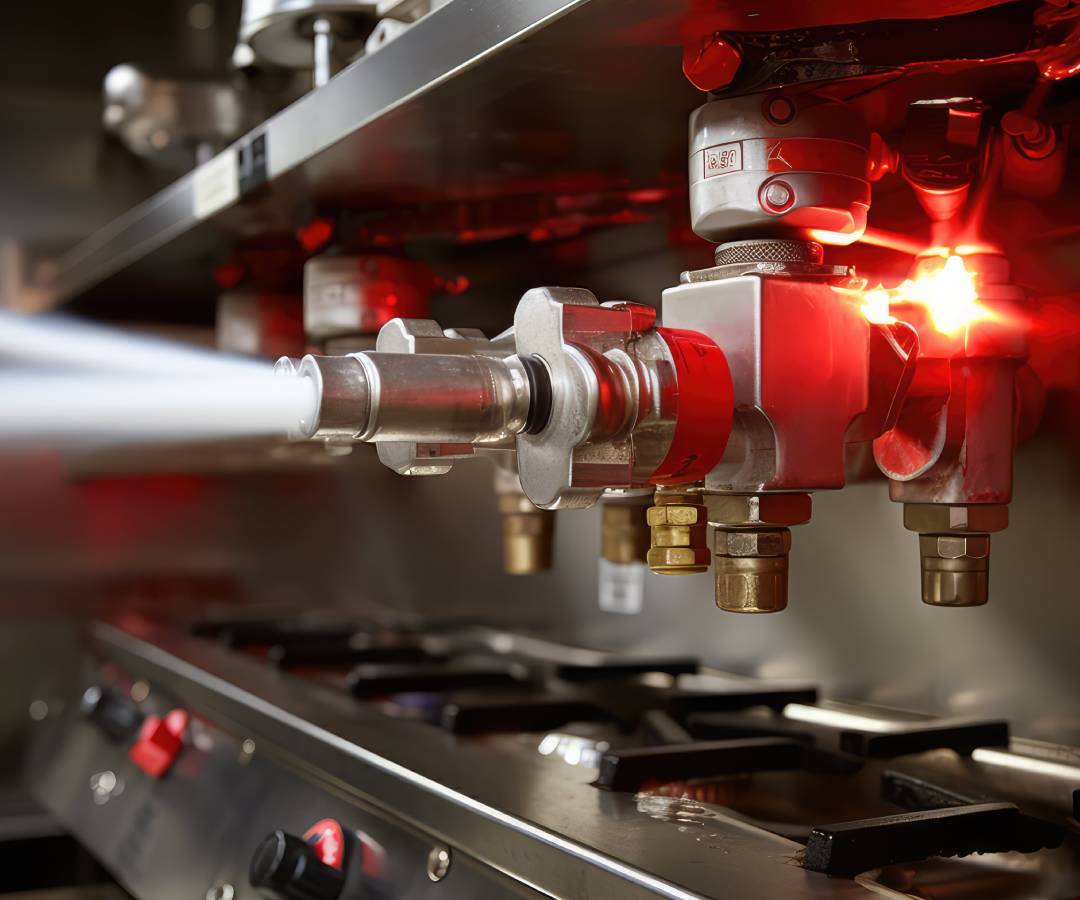
Roughly 60% of all restaurant incidents in Manitoba are caused by kitchen fires, which makes proper suppression systems a non-negotiable investment for hospitality venues. As it turns out, compliance gaps are discovered by many Winnipeg restaurant owners only during inspections; fixes become exponentially more expensive at that point. Grease fires are detected within seconds by modern suppression systems, which automatically
Get a Transparent Second Opinion on Fire Equipment in Winnipeg
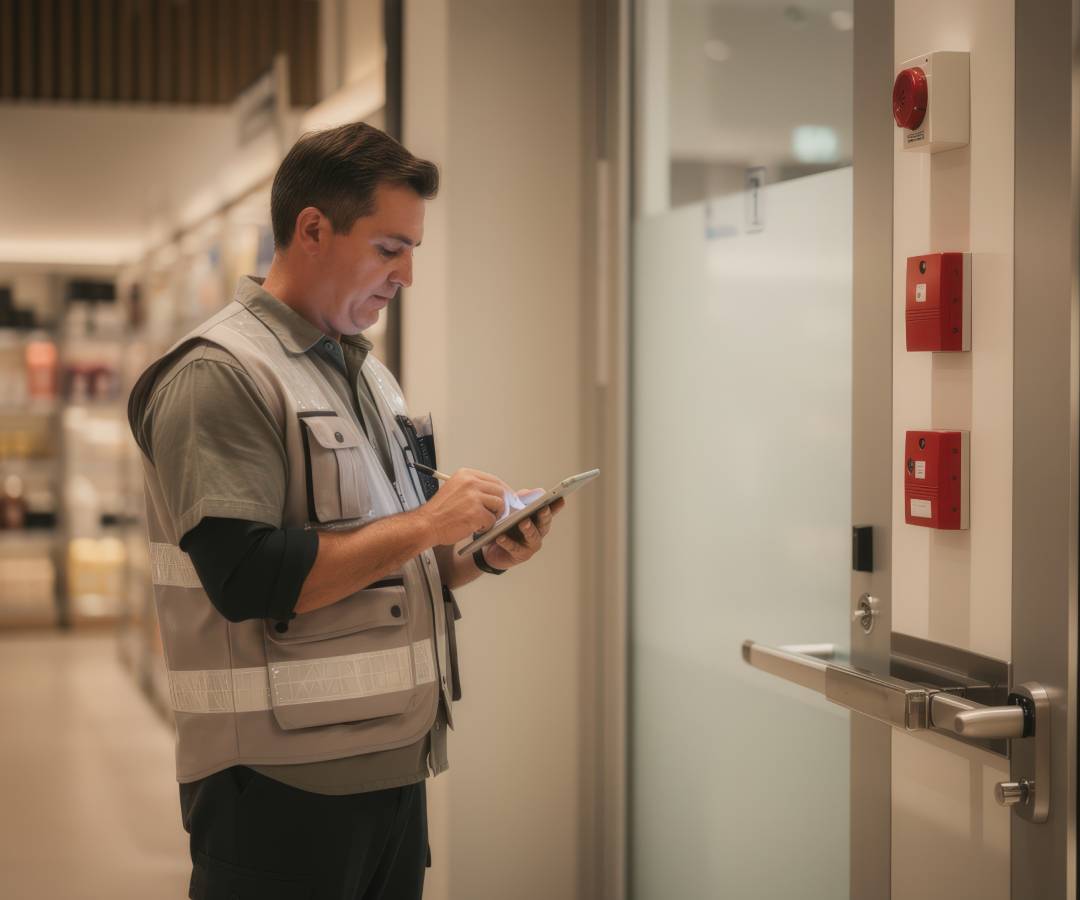
Property managers in Winnipeg are often left wondering if they're getting the full story when fire protection equipment gets assessed. As it turns out, significant discrepancies are discovered by many facility operators when a second opinion on their fire safety systems is sought. Quotes that seem inflated are sometimes presented by traditional contractors, or replacements that might not be necessary
What Fire Suppression System Does Your Business Need?
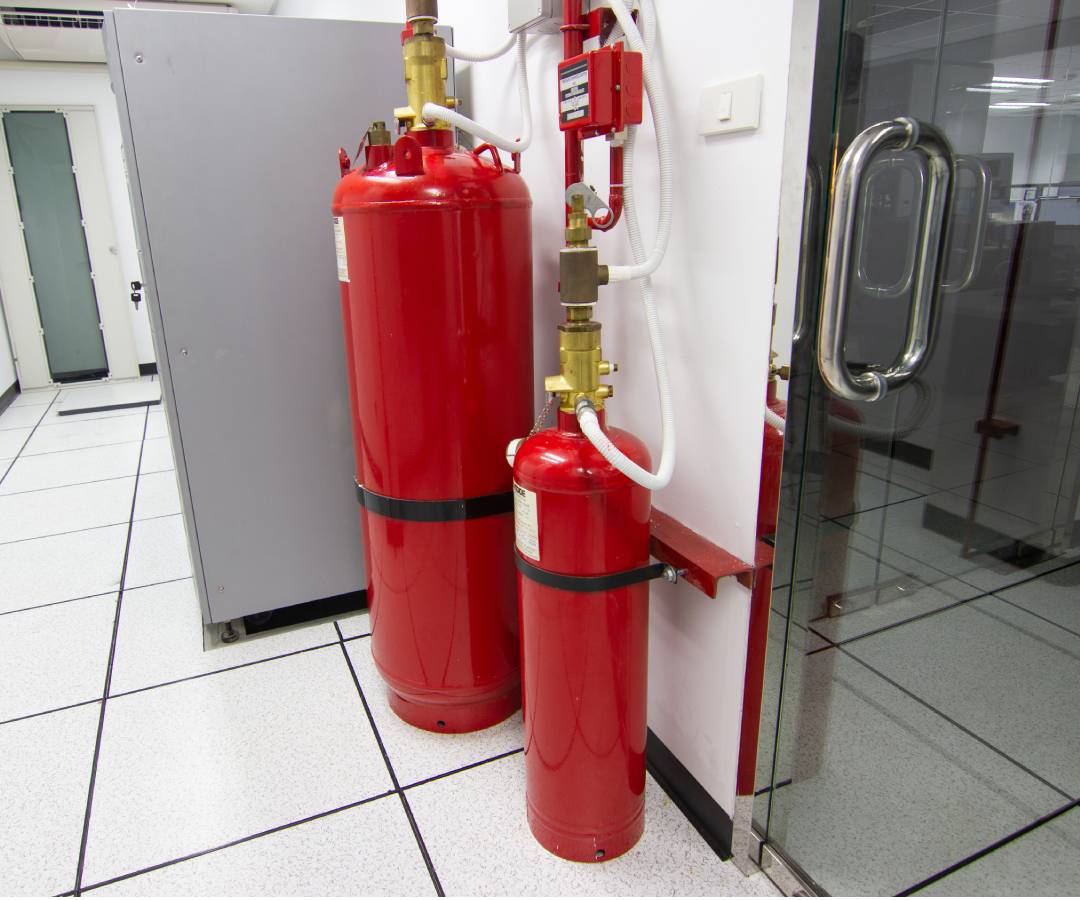
Fire suppression systems aren't one-size-fits-all solutions; the distinction between industrial and commercial applications gets blurred in conversations with contractors more often than expected. As it turns out, your specific operations, building size, and daily material handling determine what type of system is needed for your business. Specialized suppression methods are typically required by industrial facilities for heavy machinery and chemical
Manitoba Fire Code Violations: 7 Costly Mistakes Property Owners Make
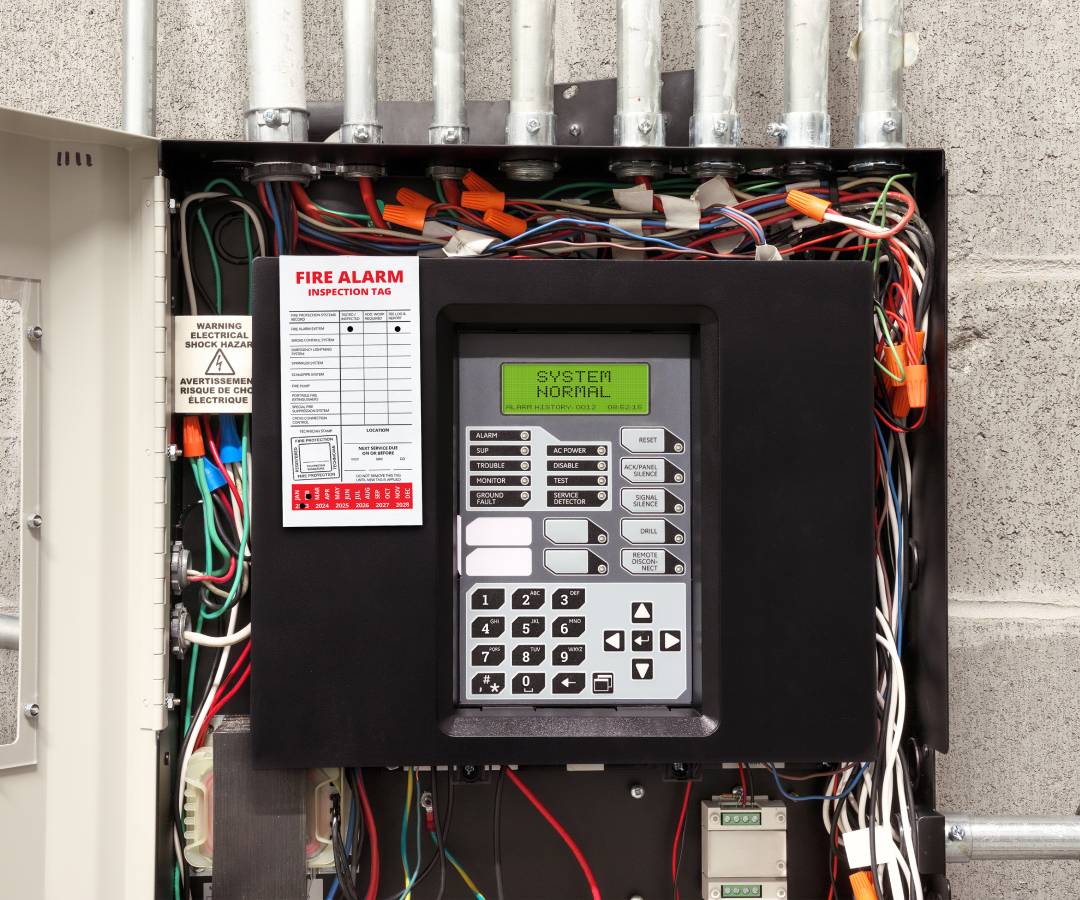
Fire code enforcement in Manitoba has been tightened considerably over the past few years, with repeat violations that put lives at risk being heavily focused on by inspectors. As it turns out, the same handful of oversights that property owners assume are minor details is where most compliance failures stem from. During routine inspections, these mistakes are often discovered, which
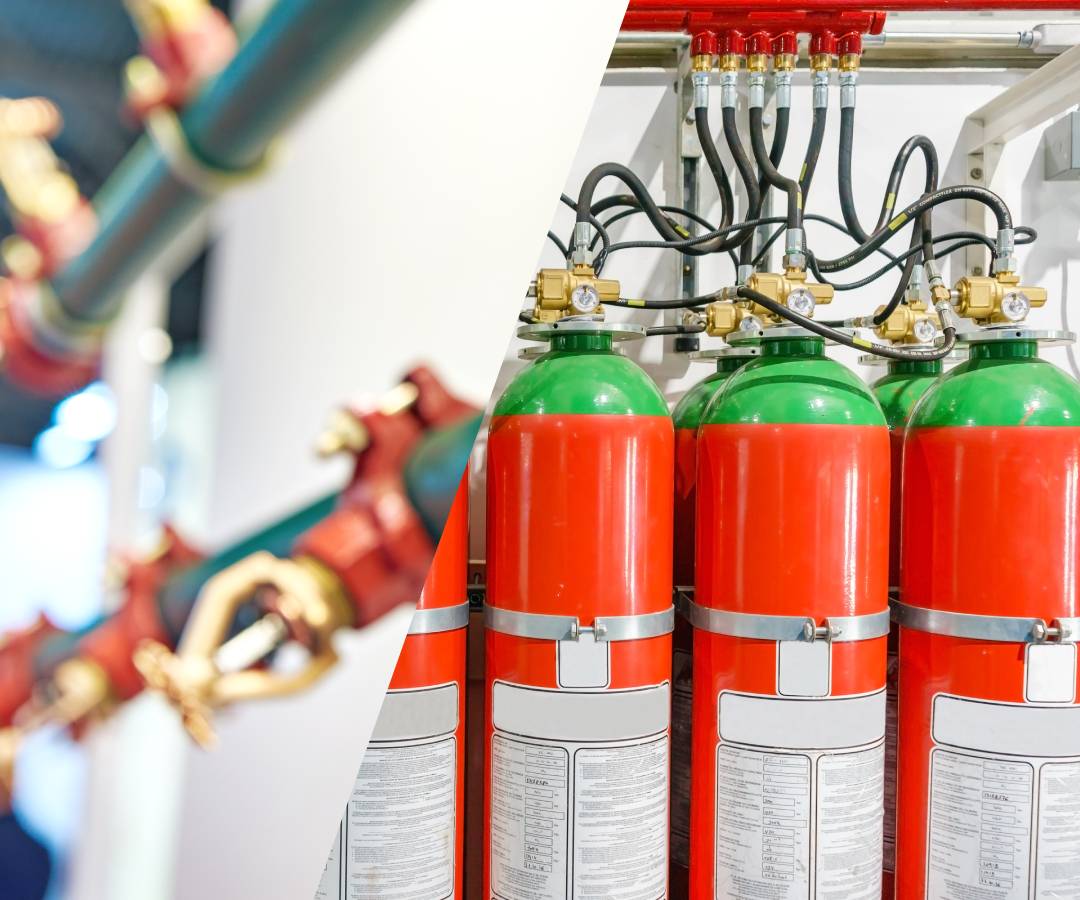
Fire Sprinkler vs Fire Suppression Systems: Key Differences
The same basic purpose is served by both fire sprinkler systems and fire suppression systems, though they work in fundamentally different ways. As it turns out, these terms are used interchangeably by most commercial property managers, even though distinct fire protection technologies are being described. Water distribution through overhead piping networks is what sprinkler systems are designed around; fire suppression
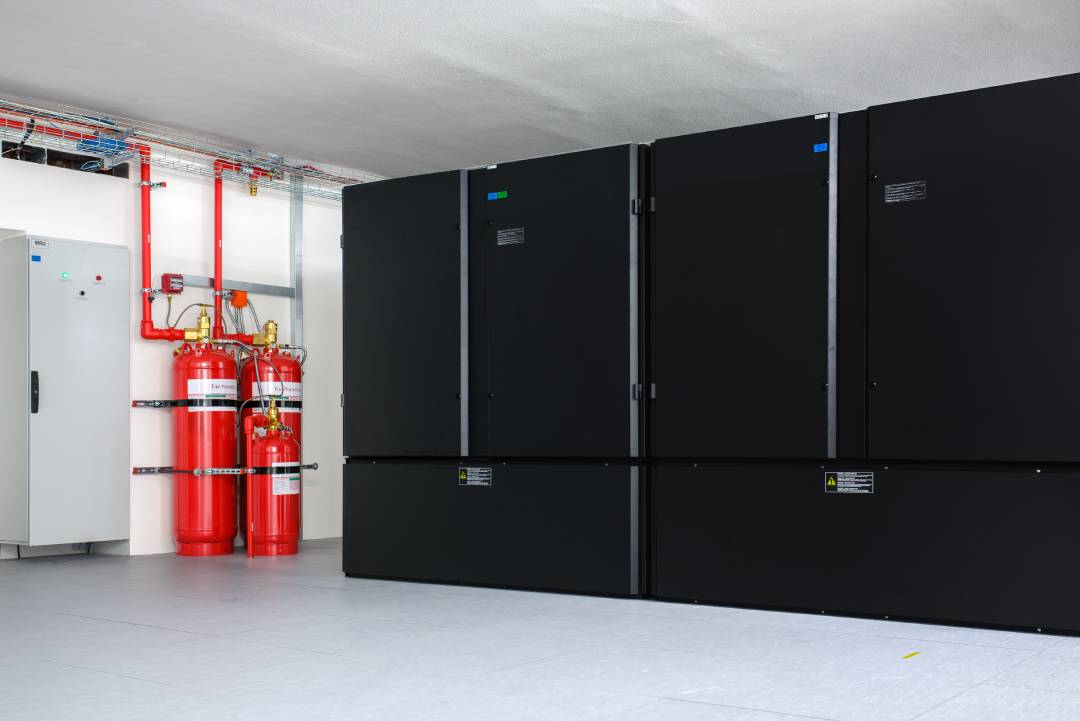
Fire Suppression System Activated? Emergency Checklist Winnipeg
Various reasons can cause fire suppression systems to activate, from actual fires to equipment malfunctions or even construction dust that triggers sensitive sensors. As it turns out, roughly 60% of activations are discovered by many Winnipeg facility managers to be false alarms caused by environmental factors rather than genuine emergencies. The immediate response protocol remains the same regardless of what

Digital Fire Suppression Reports: Save Time & Reduce Stress
Weeks of back-and-forth communication with contractors have been dragging facility managers through fire suppression inspection paperwork. As it turns out, this administrative burden is being eliminated entirely by digital reporting systems that forward-thinking fire protection companies are adopting. Real-time inspection data gets delivered instantly; compliance documentation is generated automatically, and everything can be accessed by facility managers through simple online
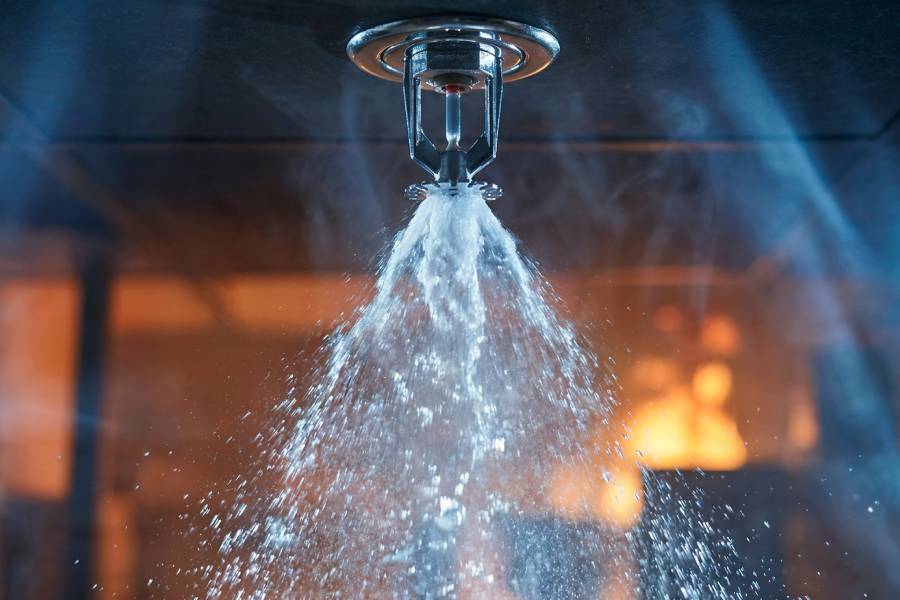
Fire Suppression Requirements for Winnipeg Buildings
Occupancy type, square footage, and building height are what Manitoba's fire code requirements for commercial buildings depend on heavily. As it turns out, many property owners discover they're operating in a gray area where local interpretations can vary significantly from what they initially expected. Each province adapts the National Building Code, and specific requirements are often determined through a combination