Fire Sprinkler vs Fire Suppression Systems: Key Differences
Water distributed through overhead pipes and heat-activated heads is used by fire sprinkler systems, while various extinguishing methods like chemical agents, gases, or foam are included in fire suppression systems. General building protection is typically handled by sprinklers; specific high-risk areas or sensitive equipment where water damage would be problematic are targeted by suppression systems.
Fast Facts:
- Individual activation occurs when heat reaches 135-286°F in fire sprinkler systems
- Fires can be extinguished in under 10 seconds by clean agent suppression systems
- Roughly 200 square feet per head is covered by water-based sprinklers in most commercial applications
- Server rooms, chemical storage areas, and industrial kitchens are where suppression systems are required
- Specific system types are mandated by Manitoba fire codes based on occupancy classification
Understanding the Basic Difference
Terminology is where the confusion starts, I suppose. One specific type of fire protection technology is represented by fire sprinkler systems. Water distributed through a network of overhead piping and heat-activated sprinkler heads is used by them. Any technology designed to extinguish fires is encompassed by fire suppression systems, on the other hand; this includes sprinklers but also chemical agents, gases, and specialized foams.
This distinction is discovered by most facility managers in Winnipeg when renovations are being planned or code compliance is being dealt with. A restaurant owner recently told us they’d been quoted for “fire suppression” in their kitchen, assuming it meant sprinklers. A wet chemical system specifically designed for grease fires was what they actually needed. The situation would have been made worse by water.
How Fire Sprinkler Systems Work
Individual heads activate when their temperature rating is reached by sprinkler systems, usually between 135-286°F. Roughly 200 square feet is covered by each head in standard commercial applications. Water keeps the system pressurized, so when a head opens, water flows immediately.
The concept of controlling fires rather than completely extinguishing them is what these systems are designed around. Time for evacuation and fire department response is bought by them. Plus, only the heads directly exposed to heat will activate; water damage to the immediate fire area is limited by this.
Fire Suppression System Varieties
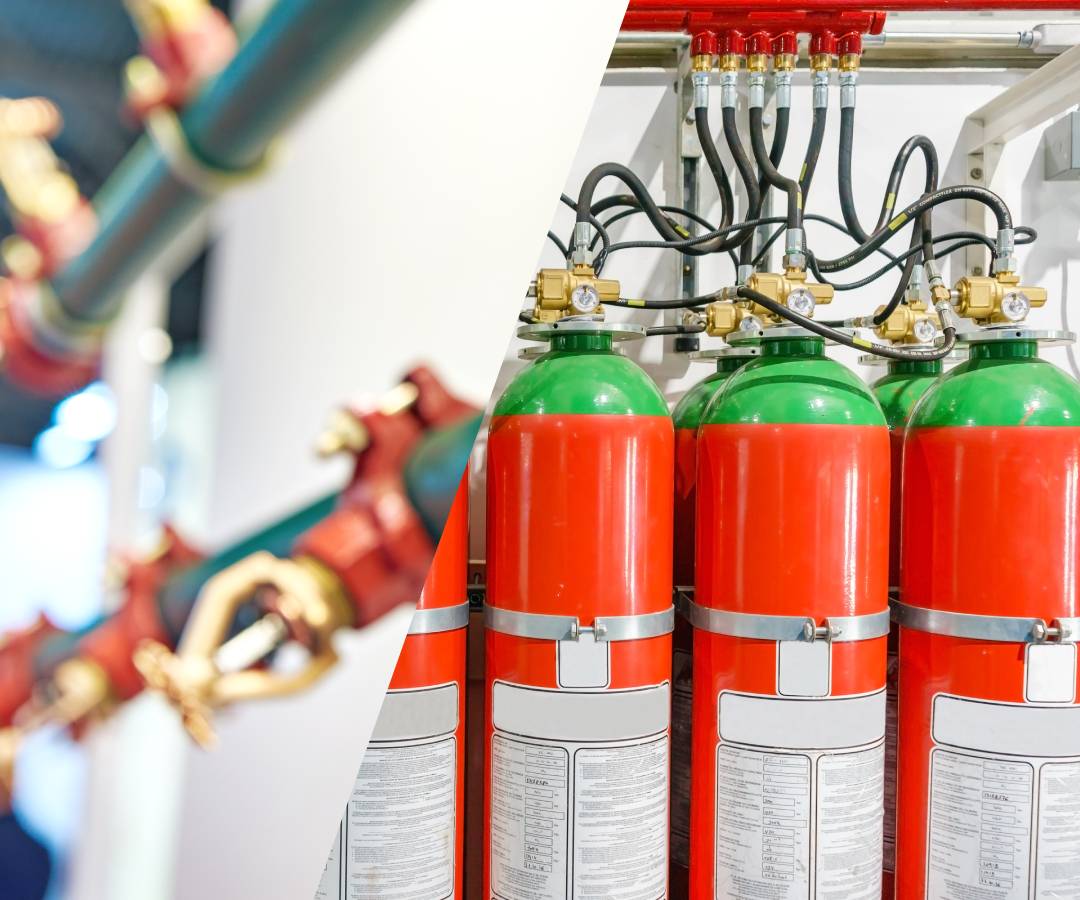
Several forms are taken by suppression systems depending on the fire risk. Gases like FM-200 or Novec 1230 that don’t leave residue are used by clean agent systems. Server rooms or areas with sensitive electronics are perfect for them. Cooking fires in commercial kitchens are targeted by wet chemical systems. Flammable liquid fires in industrial settings are handled by foam systems.
A foam suppression system was recently used to upgrade their equipment storage area by a mining operation outside Winnipeg. Fuel and hydraulic fluid fires would have made water sprinklers useless. The entire area can be blanketed in under 30 seconds by the foam system.
Code Requirements and Applications
Which system types are required based on occupancy classification and specific hazards present is specified by Manitoba fire codes. Kitchen suppression systems are needed by restaurants. Clean agent protection is typically required by data centers. Multiple system types might be needed by manufacturing facilities depending on their processes.
The actual fire risk is what the system needs to be matched to. Property managers are seen by us getting caught off guard when standard sprinklers are assumed to satisfy all requirements. Six weeks of delay was caused to a hotel renovation project because the owner didn’t realize their new conference center needed a different approach for the AV equipment room.
Maintenance and Inspection Differences
Annual professional inspections, quarterly valve testing, and monthly visual checks are needed by sprinkler systems. Semi-annual professional service plus monthly owner inspections are required by suppression systems. The testing procedures are completely different too.
Periodic agent level checks and electrical testing of detection circuits are needed by clean agent systems. Manual activation testing and nozzle cleaning are required by kitchen suppression systems. Compliance schedules aren’t the only consideration. Different ways of failing are exhibited by different systems.
Making the Right Choice for Your Property
What you’re protecting and what type of fire you’re most likely to face is usually what the decision comes down to, to be fair. Traditional sprinklers work fine for general office areas. Clean agents are needed by server rooms. Foam or dry chemical systems might be needed by industrial areas.
These decisions are helped through by us for Winnipeg property managers without the usual runaround. Exactly what your facility needs based on current codes and your specific operations can be mapped out by our digital assessment tools. No guesswork, no overselling. A free compliance review can be started by visiting our website.
Mini-FAQ:
Q: Can you have both systems in the same building? Absolutely. Both approaches are combined by most commercial facilities in Winnipeg. General building protection is handled by sprinklers while specific high-value or high-risk areas are protected by suppression systems. Clean agent systems are installed in server rooms, wet chemical suppression is used in kitchens, and traditional sprinklers are relied upon in office areas.
Q – Do suppression systems cost more than sprinklers? Look, it depends on the application. Higher upfront costs are run by clean agent systems, but sensitive equipment that would be destroyed by water is protected. Kitchen suppression systems are mandatory for restaurants anyway. The wrong system for your space is where the real cost comes from.
Q: How often do these systems need inspection? Fair point to ask upfront. Annual inspections, quarterly valve checks, and monthly visual inspections are needed by sprinkler systems. Semi-annual professional inspections plus monthly owner checks are required by suppression systems. That still surprises people.