
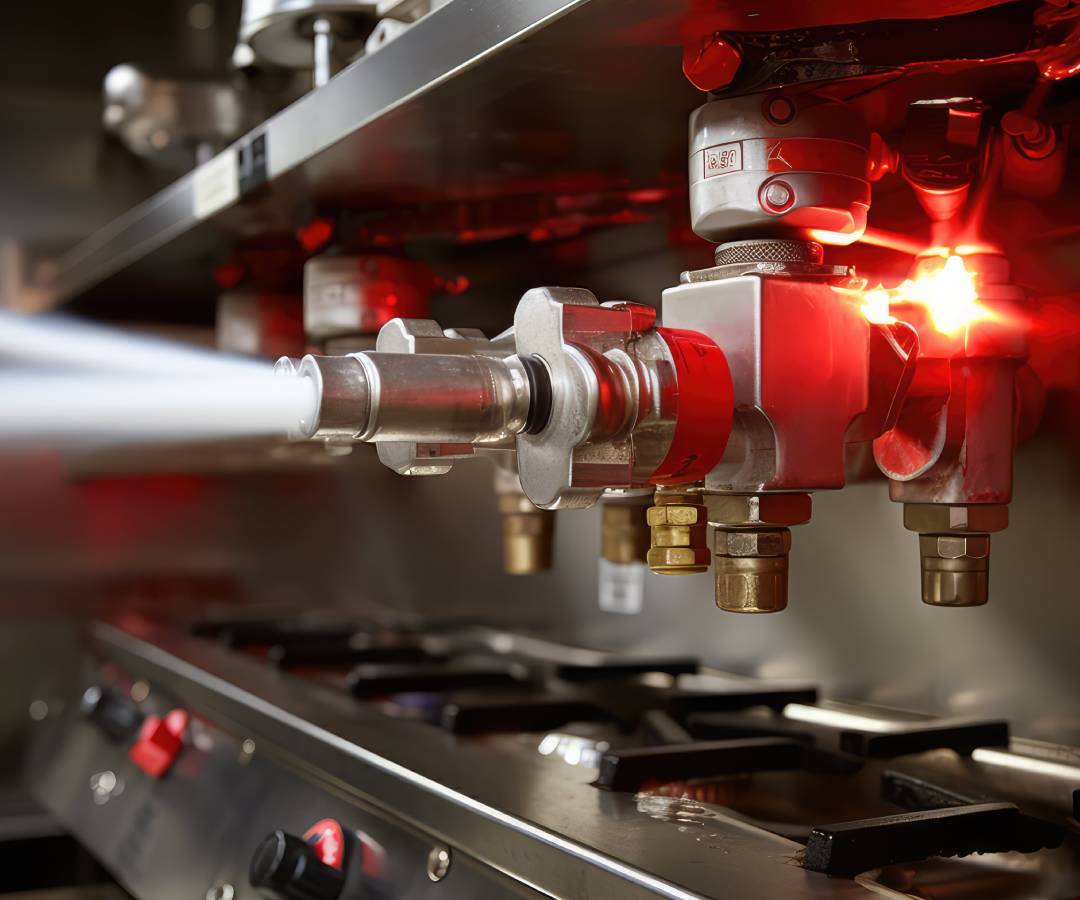
Kitchen Fire Suppression Winnipeg: Restaurant Safety Guide
Kitchen fire suppression systems in Winnipeg restaurants are typically priced at $3,000-$8,000 installed, depending on kitchen size and equipment layout. Wet chemical agents that activate automatically when temperatures exceed safe thresholds are used by most systems; quarterly inspections are usually required for proper maintenance to ensure compliance with Manitoba fire codes.
Fast Facts:
- Restaurant fires cause an average of $165,000 in damage per incident
- Wet chemical suppression systems activate in 3-5 seconds
- Manitoba requires quarterly inspections for commercial kitchen suppression
- Hood-mounted systems cover 85% of typical restaurant cooking equipment
- Installation typically takes 1-2 days for standard kitchen layouts
Understanding Kitchen Fire Suppression Requirements
Automatic suppression systems in all commercial kitchens are mandated by Manitoba fire codes, but the complexity involved is underestimated by many restaurant owners. Everything from nozzle placement to agent concentration levels is covered by the regulations. According to available data, suppression deficiencies that delay opening permits are revealed in roughly 40% of new restaurant inspections. Their system installation took three weeks longer than expected, a Winnipeg steakhouse owner recently told us; ventilation integration requirements had been missed by the original contractor. Money is lost through these delays, and revenue timelines get pushed back.
Types of Suppression Systems for Restaurants
Winnipeg restaurant installations are dominated by wet chemical systems because grease fires are handled effectively without equipment damage. A foam barrier that prevents re-ignition while cooling surfaces below combustion temperatures is created by the agents. Dry chemical systems work too, but cleanup becomes messier and more expensive. Plus, less equipment damage during activation is caused by wet chemicals. Their wet chemical system activated during a small grease flare last year, a downtown bistro manager mentioned. Four hours were needed for cleanup instead of the two days they expected.
Installation Process and Timeline Considerations
1-2 days for standard restaurant kitchens are typically required by professional installation, though complex layouts take longer. Mounting detection heads, running agent lines, and integrating with gas shutoff systems are involved in the process. Installations during slow periods are scheduled by most contractors to minimize disruption. But when multiple trades are involved, timing coordination often gets complicated. This lesson was learned by one facility manager in Winnipeg’s Exchange District when their suppression installation conflicted with hood cleaning; their opening was pushed back a full week. Sometimes these things just happen.
Maintenance and Inspection Requirements
Systems are kept compliant and functional by quarterly inspections, but they’re treated as afterthoughts by many operators until problems arise. Agent levels are checked by technicians, detection sensitivity is tested, and manual activation points are verified during routine visits. 30-45 minutes for typical restaurant setups are usually taken by the inspection process. Compliance notices that can affect operating permits are triggered by failed inspections. From what we’ve seen, most emergency repair situations are prevented by proactive maintenance. Inspections four months in advance are now scheduled by a popular Winnipeg pizza chain after learning this approach reduces scheduling conflicts.
Cost Factors and Budget Planning
Kitchen size, equipment density, and installation complexity cause system costs to vary significantly. Around $3,000 is where basic installations for smaller restaurants start, while $15,000 can be exceeded by large commercial kitchens for complete systems. Detection equipment, agent containers, distribution networks, and professional installation are included in the price. Only upfront costs are focused on by many operators without considering ongoing maintenance expenses. $400-800 annually is typically run by maintenance depending on system complexity. I suppose both initial investment and long-term operational costs are accounted for by smart budgeting.
Working with Qualified Fire Protection Companies
A substantial difference in project outcomes and long-term reliability is made by choosing the right contractor. Local codes, inspection requirements, and integration challenges that are often missed by general contractors are understood by licensed fire protection companies. Ongoing service relationships that keep systems compliant over time are also provided by them. But the same transparency or efficiency standards aren’t operated with by all contractors. Projects are dragged out by some or maintenance costs are inflated unnecessarily. Protection against overcharging while ensuring proper installation standards is provided by getting a second opinion. Restaurant owners are helped by Freedom Fire’s digital tools to verify quotes and timelines before committing to major installations. Visit Website to explore instant assessment options that simplify the compliance process.
Mini-FAQ:
Q: How often do kitchen suppression systems need servicing? Look, quarterly inspections for commercial kitchens are required by Manitoba regulations. Basic maintenance is needed by most systems every three months, with full testing annually. Inspections are failed by neglected systems. That still surprises people.
Q – What triggers automatic activation? Heat detection usually kicks in around 200°F above normal cooking temperatures. That threshold is reached quickly by grease fires. Manual pull stations provide backup activation if needed.
Q: Can I install a system myself? Fair point, but no. Installation and certification in Winnipeg must be handled by licensed technicians. Insurance coverage is voided by DIY attempts and liability issues are created. Not worth the risk.
Q: What happens during system activation? Funny enough, the whole process takes under 10 seconds. Gas lines are shut off automatically, exhaust fans stop, and wet chemical agents are deployed over cooking surfaces. Professional restoration is required for cleanup afterward.