
Manitoba Fire Code Violations: 7 Costly Mistakes Property Owners Make
Outdated fire suppression systems, blocked emergency exits, and missing inspection documentation are usually involved in the most common Manitoba fire code violations; fines ranging from $500 to $5,000 per violation are typically what these mistakes result in, depending on severity and repeat offenses.
Fast Facts:
- Manitoba fire code violations can result in fines up to $50,000 for serious infractions
- 67% of commercial properties in Winnipeg have at least one minor compliance issue during routine inspections
- Emergency exit obstructions account for nearly 40% of all fire safety violations
- Missing or expired fire extinguisher inspections trigger automatic $750 fines
- Faulty alarm systems can shut down operations until repairs are completed
Understanding Manitoba’s Fire Code Enforcement Landscape
Over recent years, Manitoba’s fire safety regulations have been made increasingly strict. Mounting pressure to maintain compliance is faced by property owners across Winnipeg as enforcement agencies crack down on violations. All commercial, industrial, and multi-unit residential buildings are covered by the provincial fire code. Compliance history is now monitored and repeat offenders are identified by inspectors using digital tracking systems. From what we’ve seen, I suppose most violations occur because how detailed the requirements have become isn’t realized by facility managers.
The Documentation Trap That Catches Everyone
The fastest way to accumulate fines during fire safety audits is represented by missing inspection records. Detailed documentation for all fire protection equipment is required by Manitoba, including monthly visual checks and annual professional inspections. Verbal confirmations from contractors are assumed to be sufficient by many property owners. They’re not. Proving compliance has made digital record-keeping essential, especially when insurance claims or legal disputes are being dealt with. $15,000 in fines were recently faced by one mining facility in Winnipeg simply because their paper records were incomplete.
Emergency Exit Violations: More Common Than You Think
Nearly 40% of all fire code violations in commercial properties are accounted for by blocked emergency exits. Most people don’t realize how broad the definition of “blocked” is. Violations can be triggered by storage boxes, cleaning equipment, or even temporary displays if they’re within the exit path. Plus, exit signs must be illuminated and clearly visible from all angles. Emergency exits as storage areas during slow periods is what restaurant owners frequently get cited for using. The fine structure starts at $500 per blocked exit; however, it escalates quickly for repeat offenses.
Fire Suppression System Oversights
The most expensive compliance problems are created by outdated or improperly maintained fire suppression systems. Annual inspections for all fire sprinkler systems are required by Manitoba, with monthly visual checks by property staff. Even minor leaks or pressure variations can trigger violations, which many facility managers don’t realize. Additional scrutiny is faced by industrial properties because specialized maintenance is often required by their suppression systems. Their sprinkler system hadn’t been properly tested in three years, which was recently discovered by a utility company in the Winnipeg area, resulting in a $22,000 fine and mandatory system replacement.
Alarm System Compliance Gaps
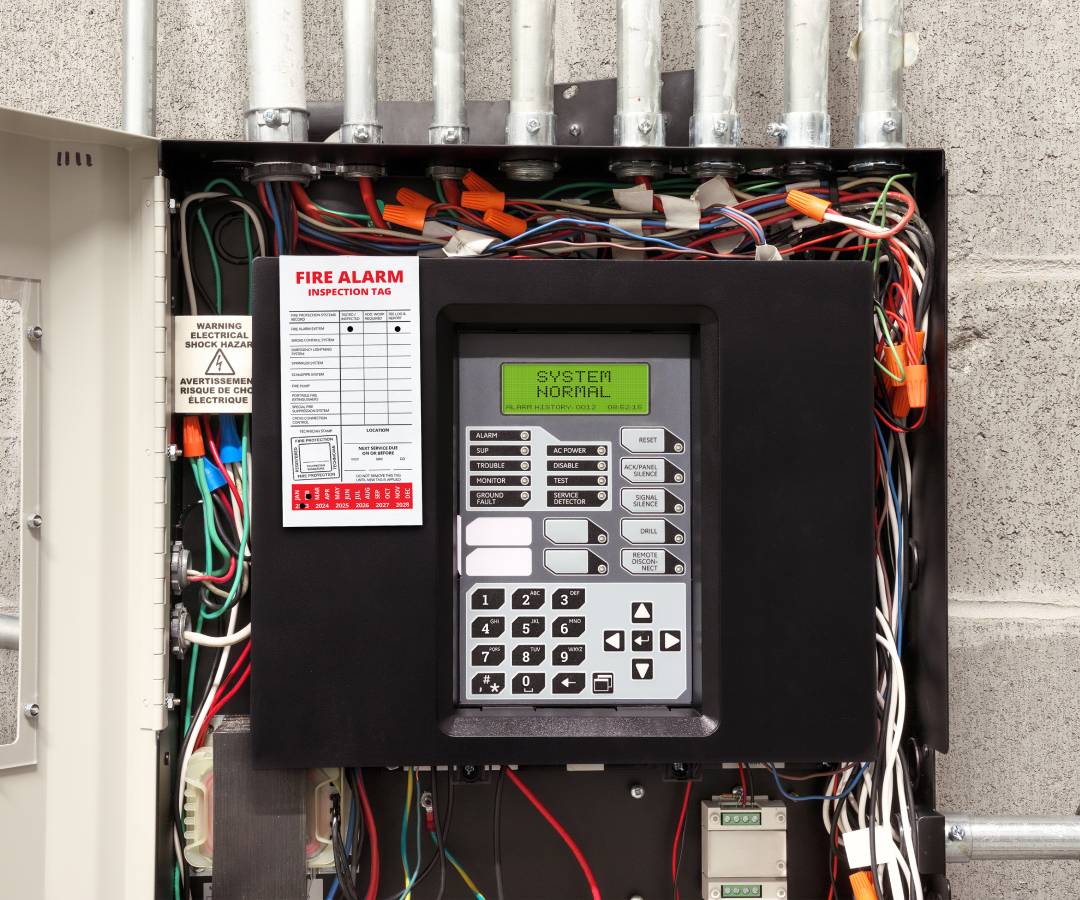
Monthly testing and annual inspections by certified technicians are required for fire alarm systems. Most property owners don’t expect how comprehensive the testing requirements are, to be fair. Individual verification is needed by each device, including smoke detectors, pull stations, and notification appliances. Separate testing protocols are required by battery backup systems. Outdated alarm panels that don’t meet current code requirements are used by many commercial properties. When violations are discovered, operational restrictions may be faced by properties until repairs are completed. That’s usually where the true cost of deferred maintenance is realized by facility managers.
The Hidden Costs of Non-Compliance
Beyond direct fines, cascading costs that catch property owners off guard are triggered by fire code violations. After violations are recorded, insurance premiums typically increase. Additional inspections or coverage modifications are required by some insurers. The original fines can be exceeded by business interruption costs, especially for restaurants or retail operations. When violations are documented, legal liability increases significantly. From our experience, three to five times the initial fine amount is often reached by the total cost of a single violation. Anyway, that’s usually where better compliance solutions start being looked for by property owners. Interesting how that works.
Getting Ahead of Compliance Issues
To avoid costly violations, digital inspection tools and professional fire safety services are being switched to by smart property owners. Most common issues are prevented by regular maintenance schedules before they become compliance problems. Comprehensive inspection services that identify potential violations early are offered by professional fire protection companies. Digital platforms to track maintenance schedules and document compliance activities are now used by many Winnipeg facility managers. By preventing a single major violation, the investment in professional services typically pays for itself. Ready to protect your property from costly fire code mistakes? Visit our website to learn how your facility can be kept compliant and safe with Freedom Fire’s digital inspection tools.
Mini-FAQ:
Q: What happens if my fire sprinkler system fails inspection? Immediate operational restrictions until repairs are completed is what failed fire sprinkler inspections typically result in. A compliance order with specific deadlines for corrections is received by the property owner. Fines can range from $1,000 to $10,000, depending on the severity. That still surprises people.
Q – How often do commercial properties need fire safety inspections? Look, annual fire safety inspections are required by most commercial buildings, though high-risk facilities like restaurants or industrial sites need them every six months. Your property’s classification and occupancy type is what determines the inspection schedule.
Q: Can I get a second opinion on fire code violations? Fair point. The right to request independent assessments of alleged violations is held by property owners. Digital inspection services to verify compliance before official inspections occur are used by many facilities.
Q – What’s the most expensive fire code mistake property owners make? Funny enough, fire suppression system maintenance is usually what gets neglected. Fines exceeding $25,000 can be triggered by a single malfunctioning sprinkler system, plus the cost of emergency repairs and potential business interruption.